University of Alberta · Faculty of Science · Earth and Atmospheric Sciences
Integrated Energy Geosciences
A 1.5-year course-based M.Sc. in geoscience that provides advanced training to students preparing to enter resource industries.
Program Length
1.5 Years
Graduates Since 2009
235
Capstone Credits
12
Capstone Duration
5.5 Months
Areas of Concentration
Four energy and resource pathways
Students build a common foundation in geology, geophysics and reservoir engineering, then concentrate their optional courses and capstone project in one of four areas.
Petroleum
Conventional and unconventional reservoir analysis, basin and petroleum systems modelling.
Geothermal
Geothermics, subsurface heat flow and reservoir assessment for low-carbon energy.
Carbon Sequestration
Seal integrity, fault reactivation and storage capacity for CCS in sedimentary basins.
Minerals in Basins
Mineral resources hosted in sedimentary basins.
The Program
Multidisciplinary training, built around teamwork
Curriculum
Five core courses, taken by every student
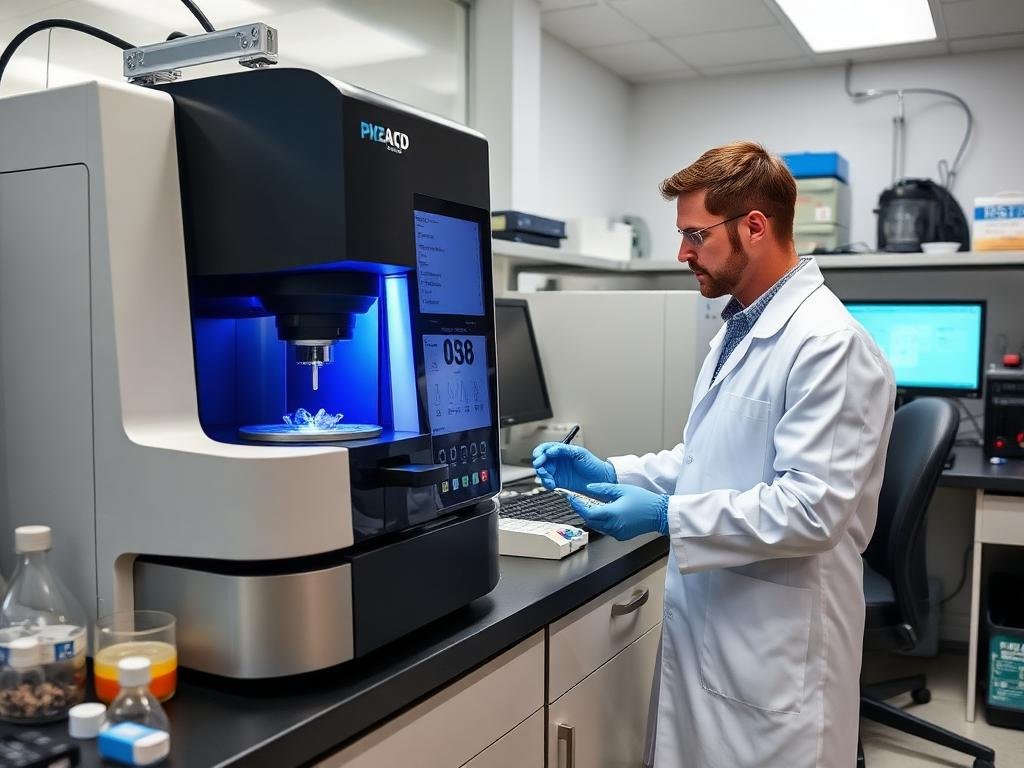
Courses develop the skills required to interpret geological, geophysical and engineering datasets. We also emphasize soft skills: professional presentations, report writing and teamwork.
|
IPG 510 |
Rock Properties, Petrophysics, Well Log Analysis |
|
IPG 512 |
Seismic Interpretation |
|
IPG 514 |
Sedimentary Basin Analysis |
|
IPG 516 |
Petroleum Production (Introduction to Reservoir Engineering) |
|
IPG 518 |
Geological Reservoir Analysis |
|
+ 5 options |
Selected from 13 optional courses across EAS and Geophysics |
Capstone & Internships
A real industry problem, not a thesis
All students complete a capstone project in the last 5.5 months of their program, registering for a total of 12 credits as IPG 601A and 601B. The project investigates a real problem in geoscience resource assessment or development.
Students can complete their capstone in conjunction with an industry internship, where the internship project also serves as the capstone. Students are encouraged to seek internships through their own efforts, and IEG faculty will also work to find placements. Students without an internship are supervised by a University of Alberta faculty member.
Our Graduates
235 graduates, working across the resource sector
The Integrated Energy / Petroleum Geosciences program has graduated 235 students since it started in fall 2009. Our graduates now work in diverse industries across Canada and internationally.
Large oil and gas — Canada
Imperial · CNRL · Cenovus · Suncor
Mid-size and small producers
Tourmaline · Whitecap Resources · ARC Resources · Baytex · Crestwynd · Rubellite · Spur Petroleum
International energy
Pakistan Petroleum · Repsol · Qatar Energy
Mining
Tec Resources · BHP Billiton · Lundin · Probe Metals · Baseload Energy
Government and regulators
Alberta Energy Regulator · Newfoundland Offshore Petroleum Board
Consulting, services and data
Cabra Consulting · Machine learning
Faculty
Who you will learn from
Nicholas Harris
Professor and Program Director
Unconventional reservoirs, hydrocarbon source rocks, geothermal and carbon sequestration reservoir analysis. Teaches IPG 518, IPG 514 and EAS 520.
David Potter
Professor
Petrophysics, rock physics, well logging and borehole methods. Teaches IPG 510.
Elena Konstantinovskaya
Instructor
Structural geology, fault hydraulic behaviour, top seal breaching and CCS geomechanics. Teaches IPG 512.
Ready to apply your geoscience to real energy problems?
You do not need to contact a potential supervisor before applying to the IEG program. Review the entrance requirements and application package to get started.